
July 2, 2026
Choosing between a condo and a cottage near the Gulf Coast can feel simple at first, until you start weighing upkeep, lifestyle, and long-term costs. If you are looking at Palm Harbor and Dunedin, the decision is not just about square footage or curb appeal. It is also about how you want to live day to day in one of Pinellas County’s most connected coastal corridors. Let’s dive in.
Palm Harbor and Dunedin are often experienced as connected neighboring communities rather than totally separate markets. Palm Harbor is an unincorporated community in Pinellas County, and Dunedin is a city just to the north on Florida’s west coast. The Pinellas Trail links both areas and helps create a shared coastal lifestyle that many buyers explore together.
That said, each place offers a different feel. Palm Harbor is primarily residential, with a walkable downtown, local small businesses, golf access, and convenient connections to nearby communities. Pinellas County’s Downtown Palm Harbor Master Plan also focuses on preserving the area’s historic character while supporting a more walkable, mixed-use core.
Dunedin offers a more event-driven waterfront setting. The city highlights nearly four miles of waterfront, 31 parks, 240 acres of green space, and the Pinellas Trail running through downtown. It is also known for its lively downtown, arts district, festivals, and access to Honeymoon Island and Caladesi Island.
A condo can be a strong fit if you want a home that feels easier to manage, especially for part-time use or a more lock-and-leave lifestyle. In Palm Harbor and Dunedin, that can be appealing if you want to spend more time enjoying the coast and less time managing exterior chores.
But low-maintenance does not mean hands-off. Under Florida law, condo associations are responsible for maintaining, repairing, and replacing common elements, and unit owners are responsible for assessments that help cover those costs. In practical terms, your monthly carrying costs may include regular association fees and the possibility of special assessments.
That shared structure can be a real benefit, but only if you are comfortable reviewing the association’s financials and rules. Before you buy, it is important to understand what the association maintains, what counts as a common element, and what expenses could become your responsibility as an owner.
If you are considering a condo in a building that is three habitable stories or more, Florida law adds another layer of review. Certain buildings must complete milestone inspections at 30 years of age and then every 10 years after that, with earlier timing possible in saltwater-influenced areas.
Those associations must also complete a structural integrity reserve study at least every 10 years when applicable. Condo sale contracts must include or disclose milestone summary and reserve study information when required. For buyers, that makes document review a key part of comparing one condo to another.
A condo often works well if you value convenience, shared amenities, and less exterior upkeep. It can also make sense if you want a second home in a walkable setting like Dunedin’s downtown or near Palm Harbor’s convenient residential core.
The tradeoff is that condo ownership comes with association governance. That means rules, budgets, fees, and shared decision-making all become part of your ownership experience. If that structure feels helpful to you, condo living may be a smart match.
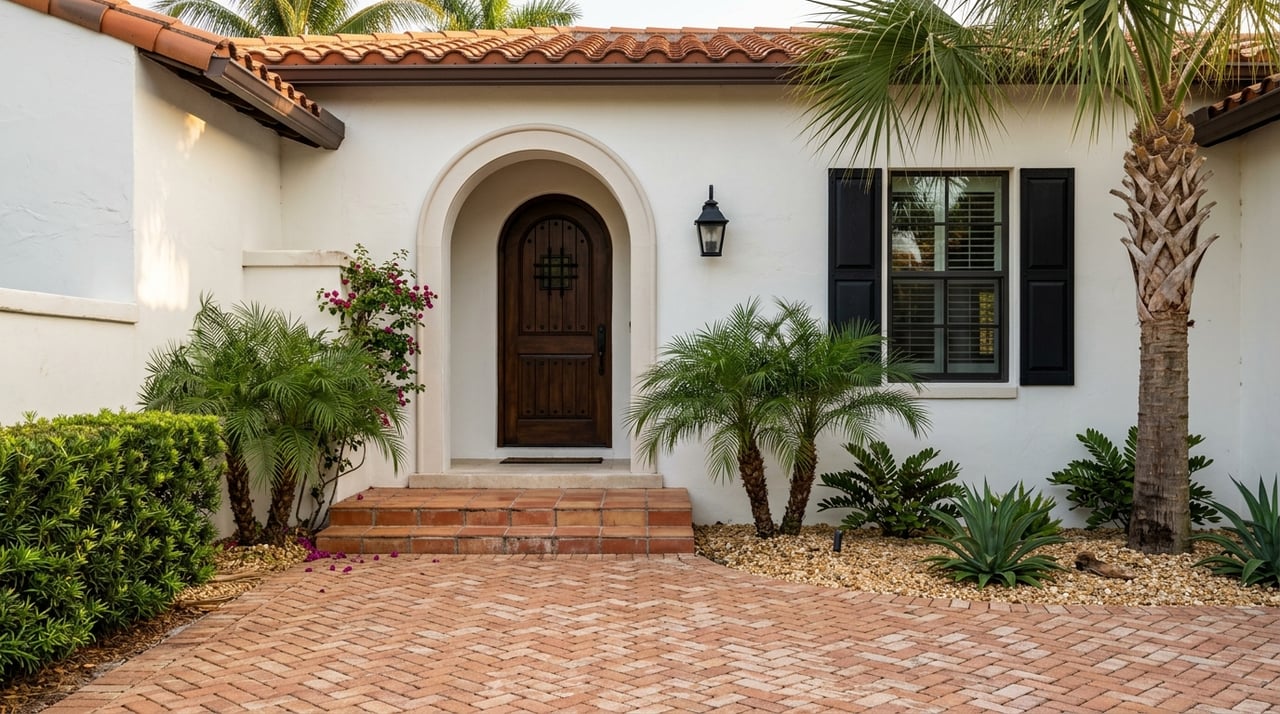
A cottage or detached single-family home offers a different ownership experience. In most cases, you have more direct control over the property, which can be appealing if you want more privacy, outdoor space, or flexibility to personalize the home.
That added control also means more responsibility. As a homeowner, you are generally responsible for maintenance and repairs, from routine fixes to larger items like roofing and exterior upkeep. In a coastal area, that can also include planning for storm prep and managing the property more actively over time.
For many buyers, that tradeoff is worth it. A cottage can feel more personal and independent, especially if you want a home base with a yard, more separation from neighbors, or greater freedom around landscaping and updates.
In both Palm Harbor and Dunedin, historic character can play a meaningful role in the cottage decision. The Old Palm Harbor Downtown District is Pinellas County’s designated historic district in unincorporated Pinellas, and it includes specific development regulations and requirements.
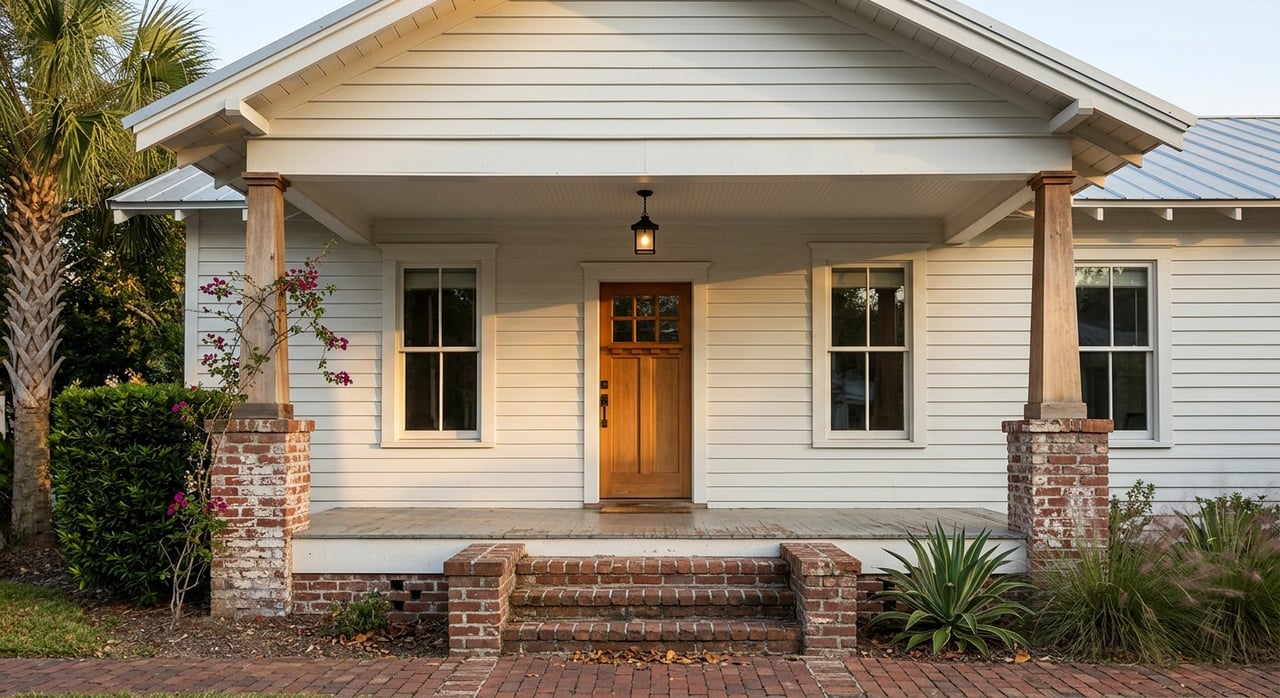
Dunedin also places clear value on architectural character. Its guidelines include cottage and bungalow forms, and the city plan describes the Southside neighborhood as containing Craftsman bungalows and coastal vernacular dwellings. If you are drawn to an older cottage, it is smart to confirm whether design review or historic-district requirements could affect exterior changes.
A cottage tends to fit buyers who want more space, more privacy, and a stronger sense of ownership over the home and lot. It can also work well if you plan longer stays and want a property that feels more rooted and individual.
The tradeoff is the maintenance burden. Unlike a condo, where an association often handles shared exterior responsibilities, a detached home usually puts more of that responsibility directly on you.
The best choice depends on how you plan to use the property and how involved you want to be with upkeep. In Palm Harbor and Dunedin, both options can support a strong coastal lifestyle, but they do it in different ways.
If you are buying a primary residence and want convenience, a condo may feel easier to manage. This can be especially helpful if you prefer fewer exterior chores and like the idea of shared amenities.
If you want more breathing room, more privacy, and more control over your property, a cottage may be the better fit. Buyers who enjoy personalizing a home often lean this direction, especially when outdoor space matters.
For vacation or part-time ownership, condos often offer the easiest lock-and-leave setup. That can be especially attractive in walkable parts of Dunedin or near Palm Harbor’s downtown area, where you can enjoy the local setting without taking on as much exterior work.
A cottage can still work for a second home, but it is usually a better fit if you expect longer stays or are comfortable arranging lawn care, storm prep, and other ongoing maintenance while you are away.
Before you choose a condo or cottage in Palm Harbor or Dunedin, slow down and compare the ownership details, not just the listing photos. A beautiful property can still be the wrong fit if the ongoing responsibilities do not match your goals.
Here are a few smart questions to ask:
Flood risk deserves special attention in any coastal search. Buyers should verify FEMA flood risk and insurance costs before deciding, because standard homeowners insurance usually does not cover flood damage, and a mortgage in a Special Flood Hazard Area generally requires separate flood insurance.
If you are buying a condo, review the declaration, bylaws, rules, budget, reserve study, milestone inspection summary when applicable, and practical details like parking and pet rules. If you are buying a cottage, confirm any historic-district or design-review requirements and make sure you are comfortable with the property’s maintenance needs.
In the end, condo living and cottage living each offer a valid path into the Palm Harbor and Dunedin lifestyle. The right choice comes down to how you want to spend your time, how much responsibility you want to take on, and what kind of home base feels most natural for your next chapter.
If you want help comparing properties in this Pinellas County coastal corridor, Track Ventures LLC d/b/a Rand Wilson Group can help you evaluate lifestyle fit, ownership costs, and the details that matter before you make a move.
Stay up to date on the latest real estate trends.
We are committed to guiding you every step of the way—whether you're buying a home, selling a property, or securing a mortgage. Whatever your needs, I've got you covered.

Rand Wilson Group
1905 Market Street #12, Tampa, FL 33602